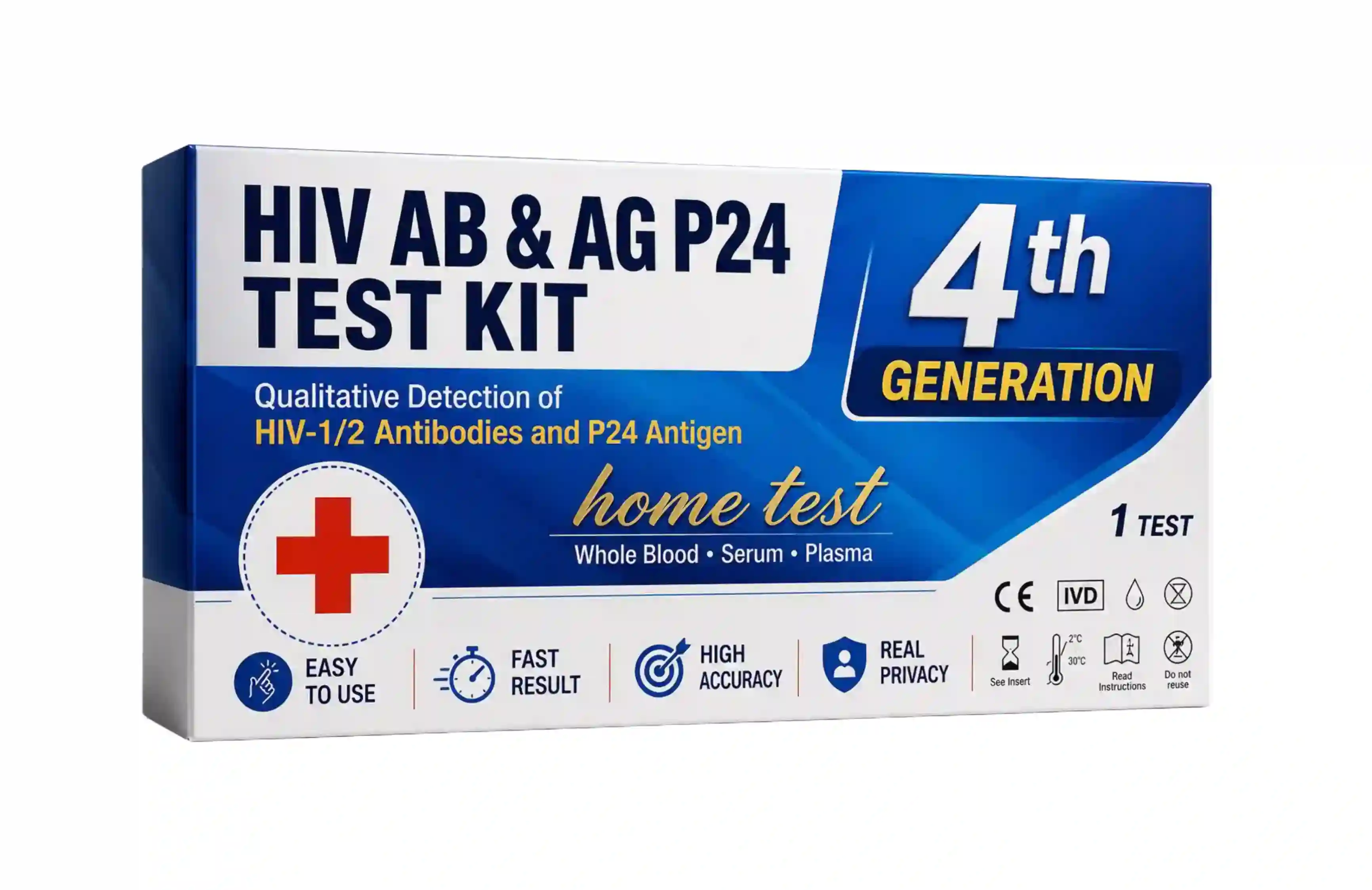
HIV Ab/Ag P24 Test Kit (4th Generation)
The HIV Ab/Ag P24 Test Kit (4th Generation) is a self-use screening product designed to identify bot...
Explore FDA/CE approved HIV and STD self test kits with confidential delivery across Dubai, Abu Dhabi, Sharjah, Ajman, Fujairah, Ras Al Khaimah, Umm Al Quwain and all UAE emirates. Shop clinically trusted HIV test kits, STD screening panels, Gonorrhea test kits, Chlamydia test kits, Herpes screening kits, Hepatitis test kits and rapid at-home screening solutions with discreet packaging and fast UAE-wide delivery.
The HIV Ab/Ag P24 Test Kit (4th Generation) is a self-use screening product designed to identify bot...
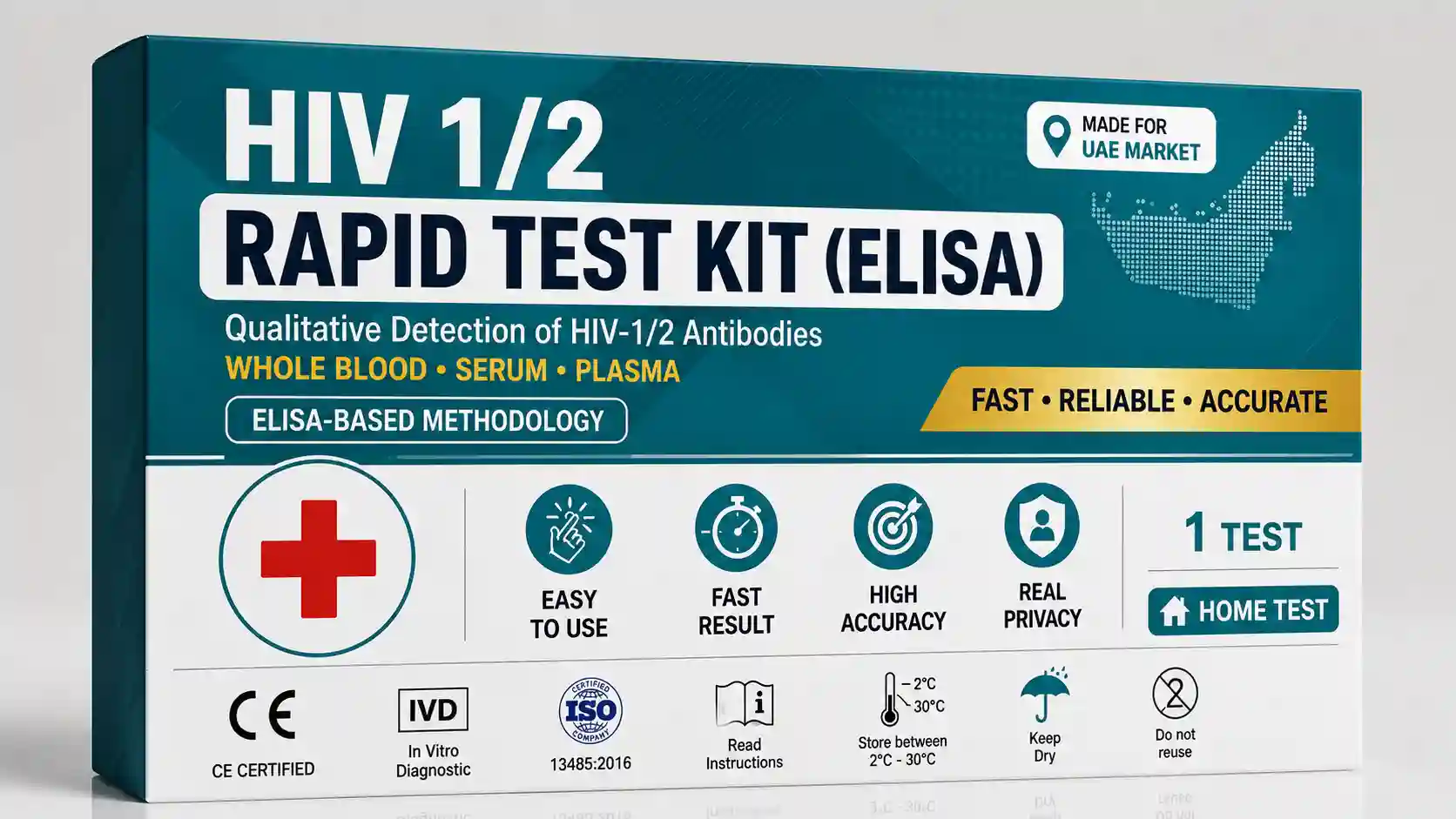
The HIV 1/2 Rapid Test Kit (ELISA) is a self-use antibody detection product designed for straightfor...
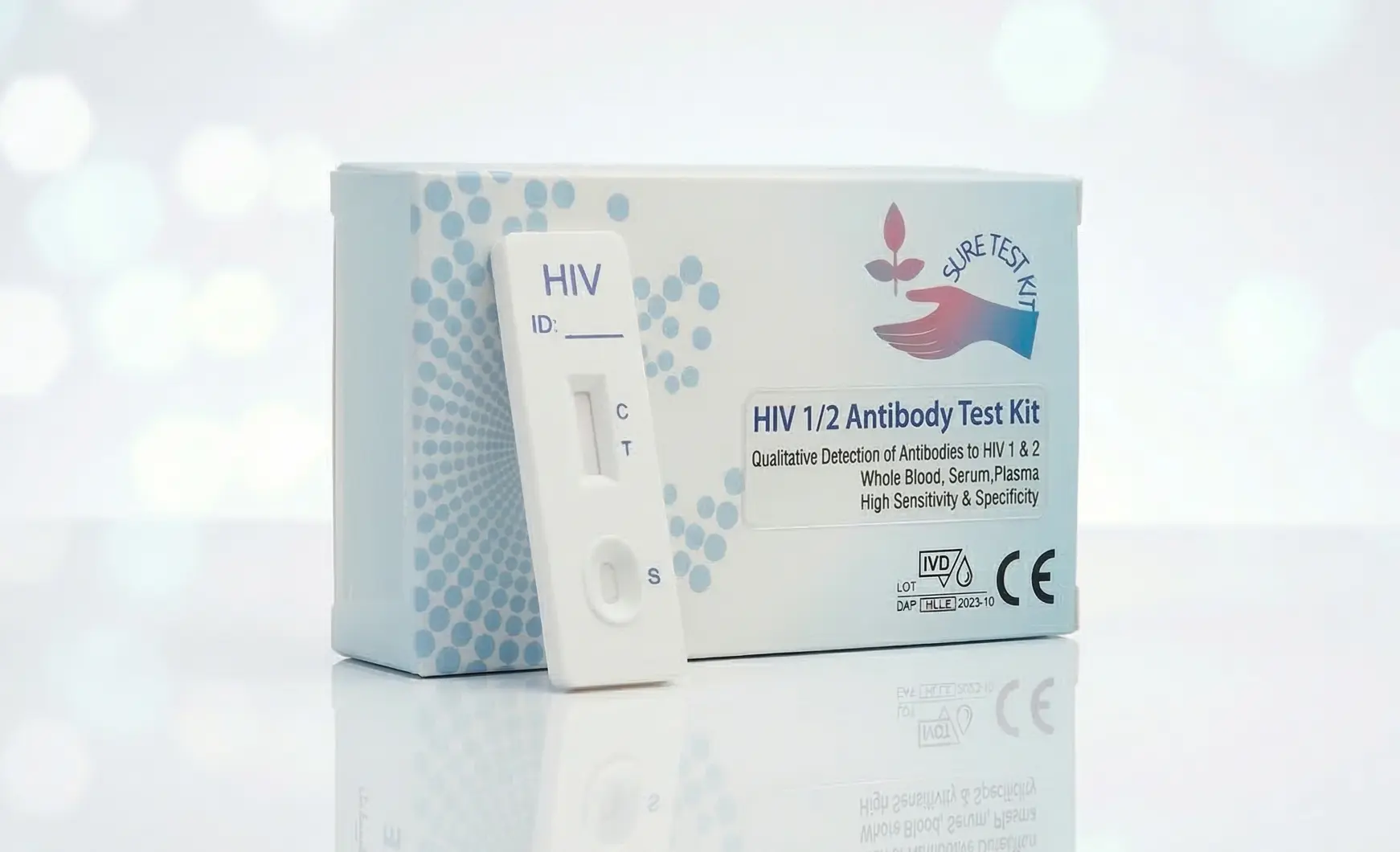
The HIV-1/2 Antibody Test Kit is a self-use screening product designed for simple and private antibo...
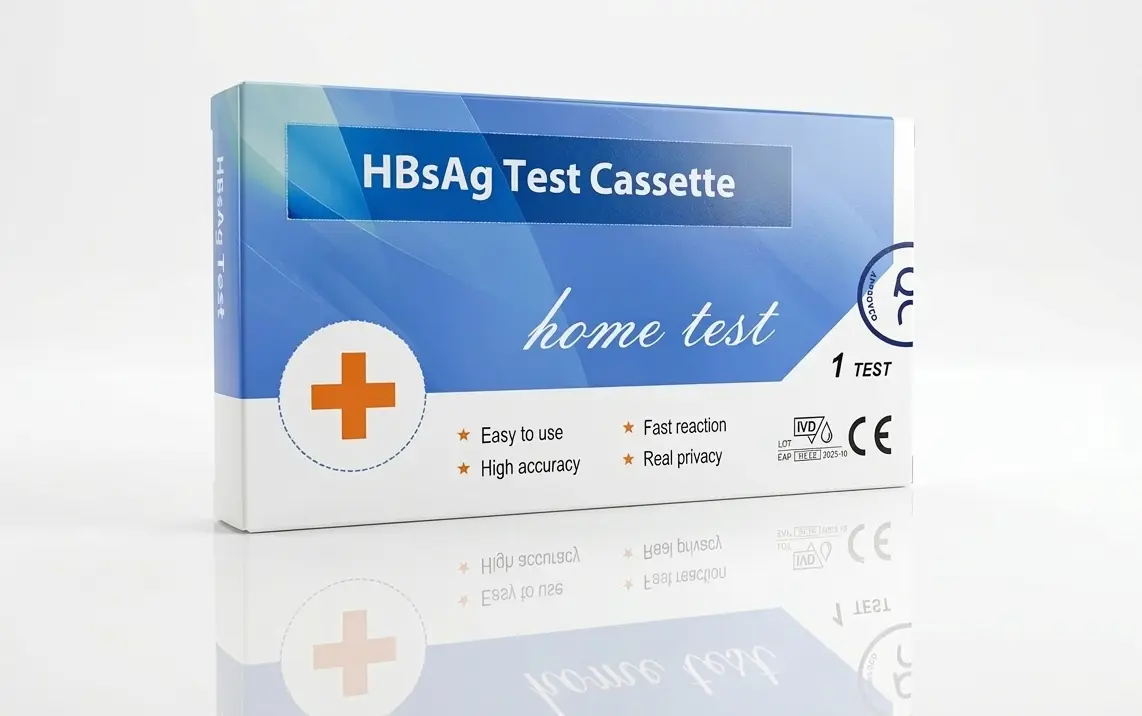
The Hepatitis B Self Test Kit is an at-home screening tool designed to help detect the presence of H...
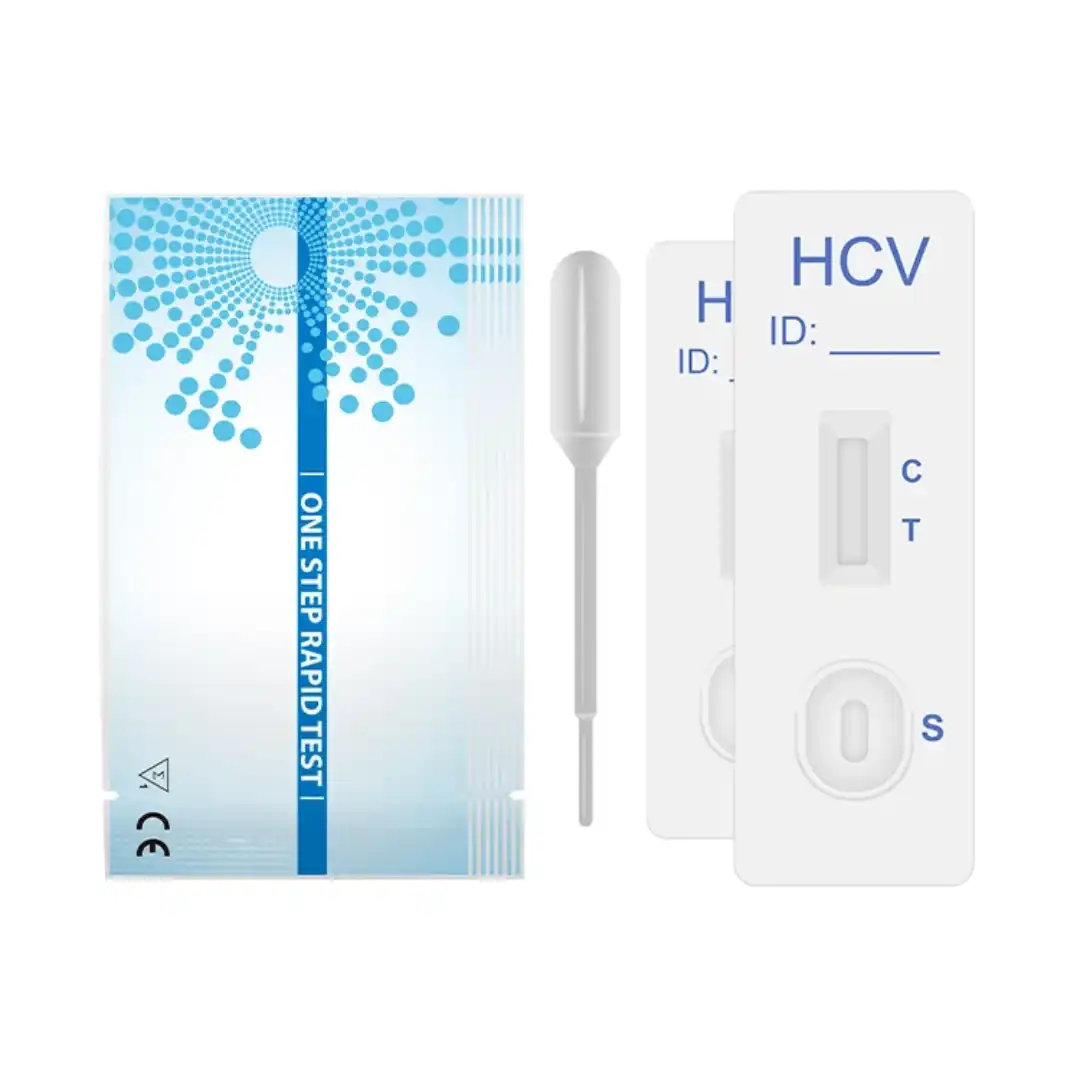
The Hepatitis C Test Kit is a screening product designed to detect antibodies to the Hepatitis C vir...
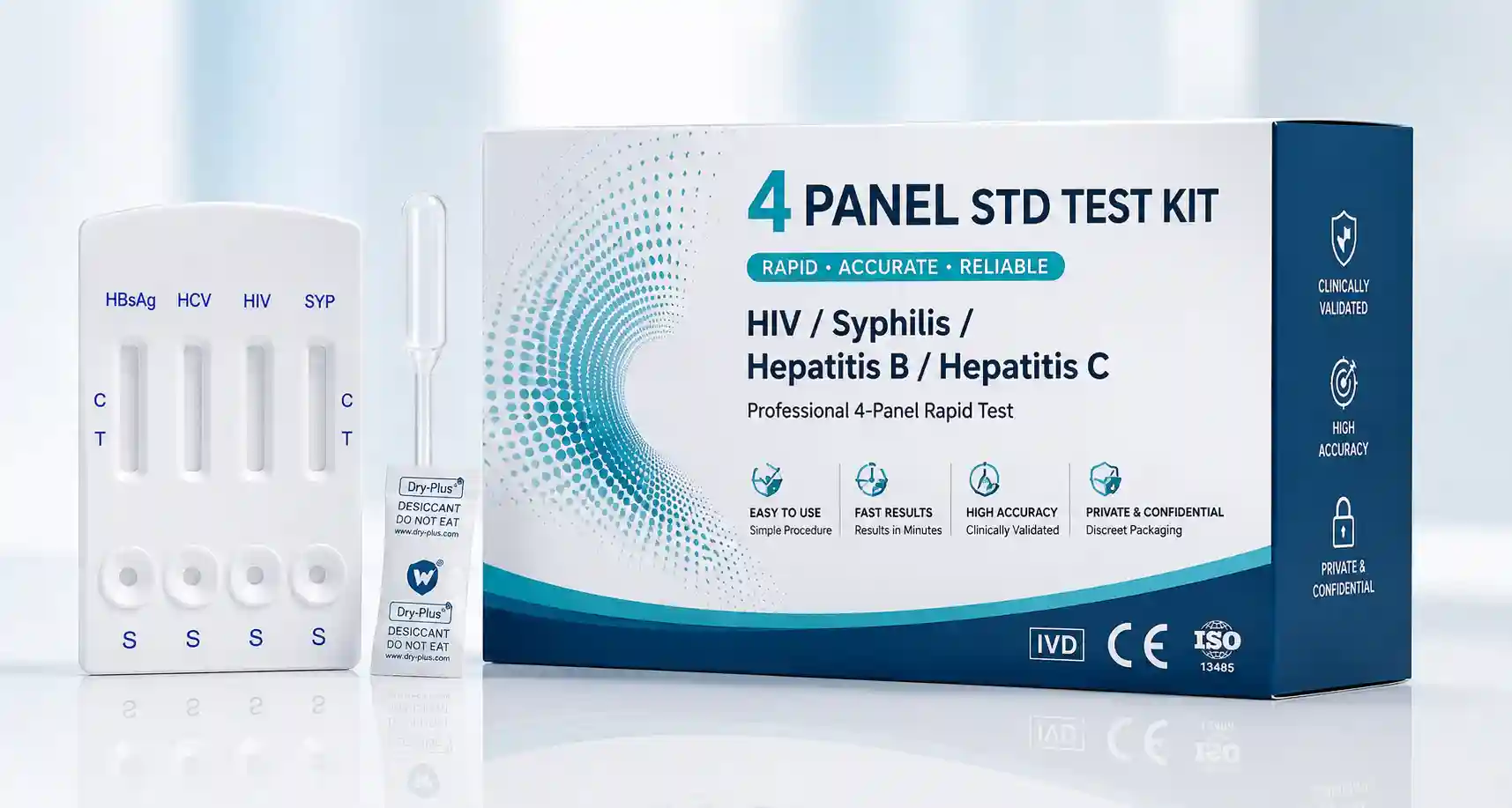
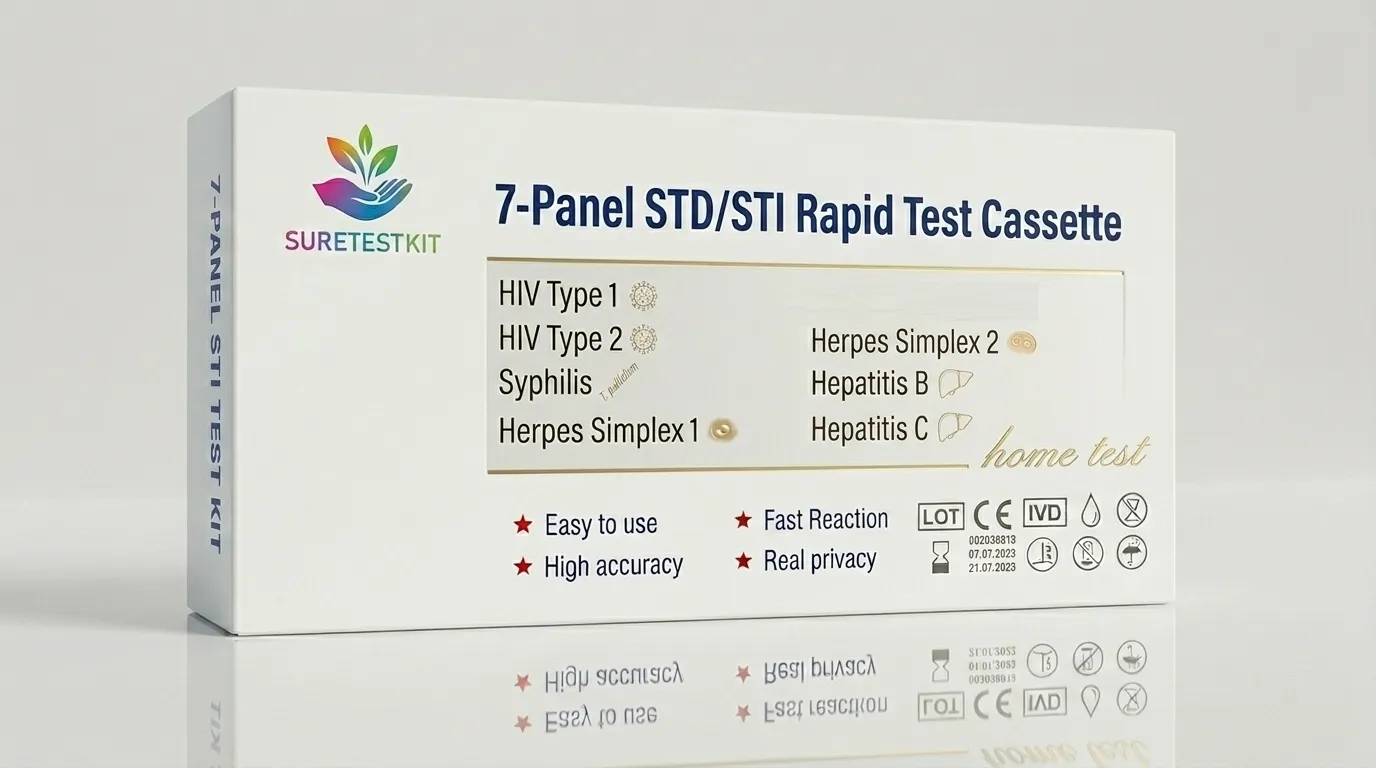
The 4 Panel STD Test Kit is a multi-analyte screening product designed to detect markers related to ...
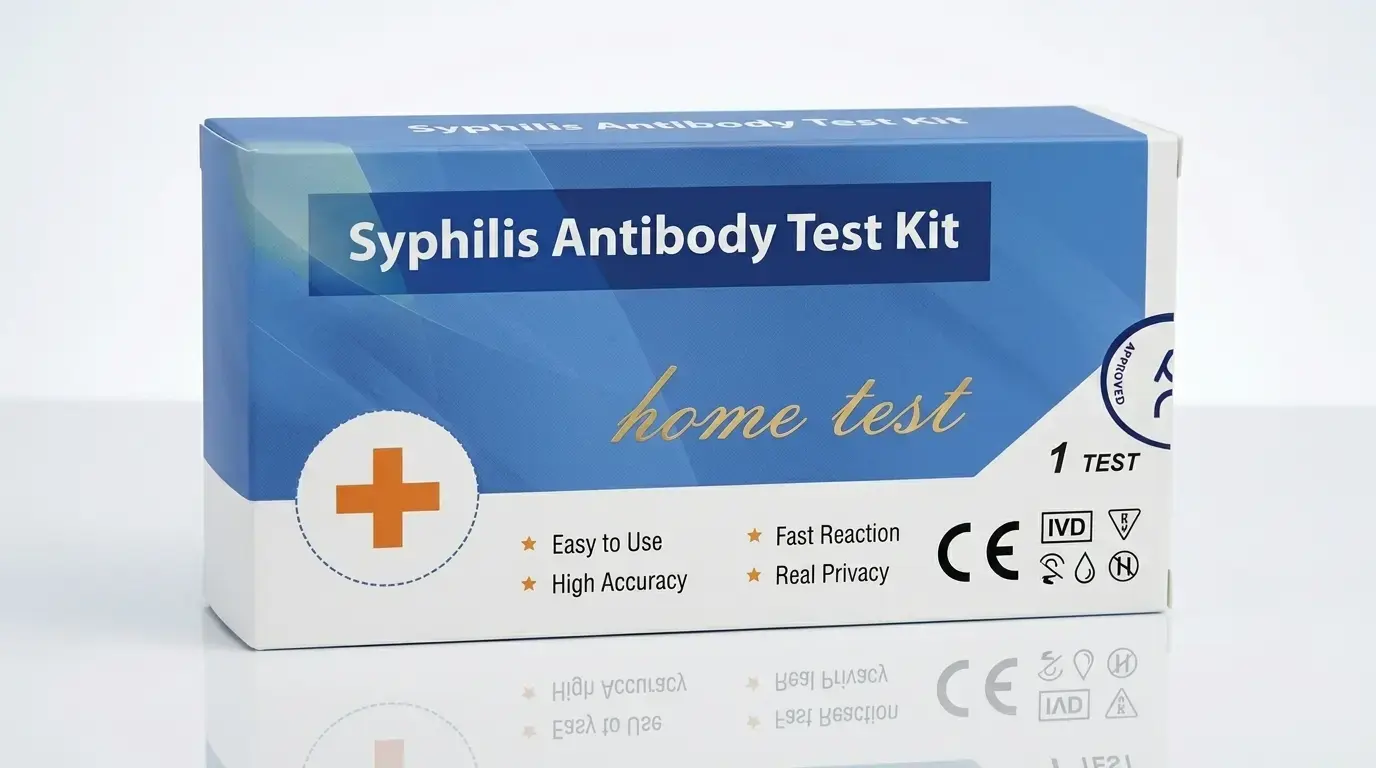
The Syphilis Test Kit is a screening product designed to detect antibodies related to Treponema pall...
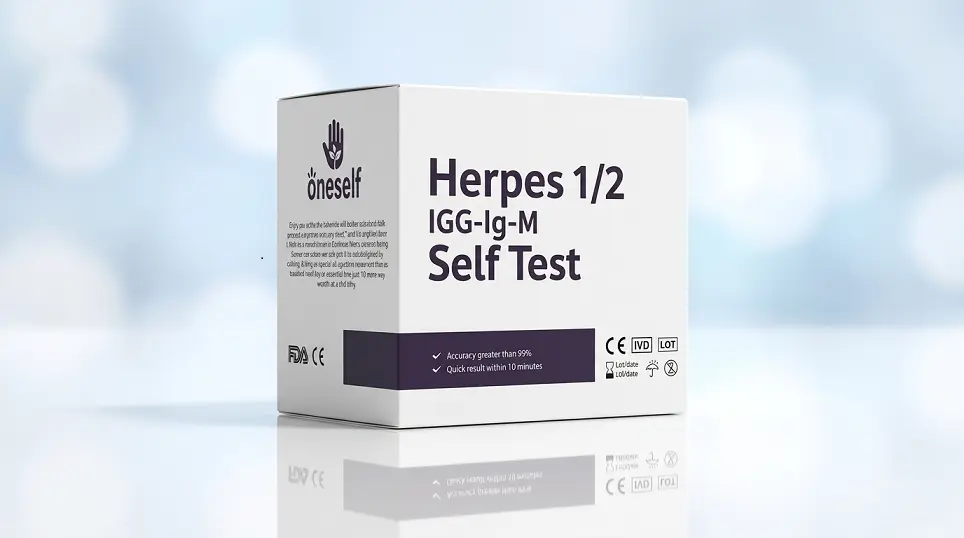
The Herpes 1/2 IgG & IgM Test Kit is designed for the qualitative detection of IgG and IgM a...
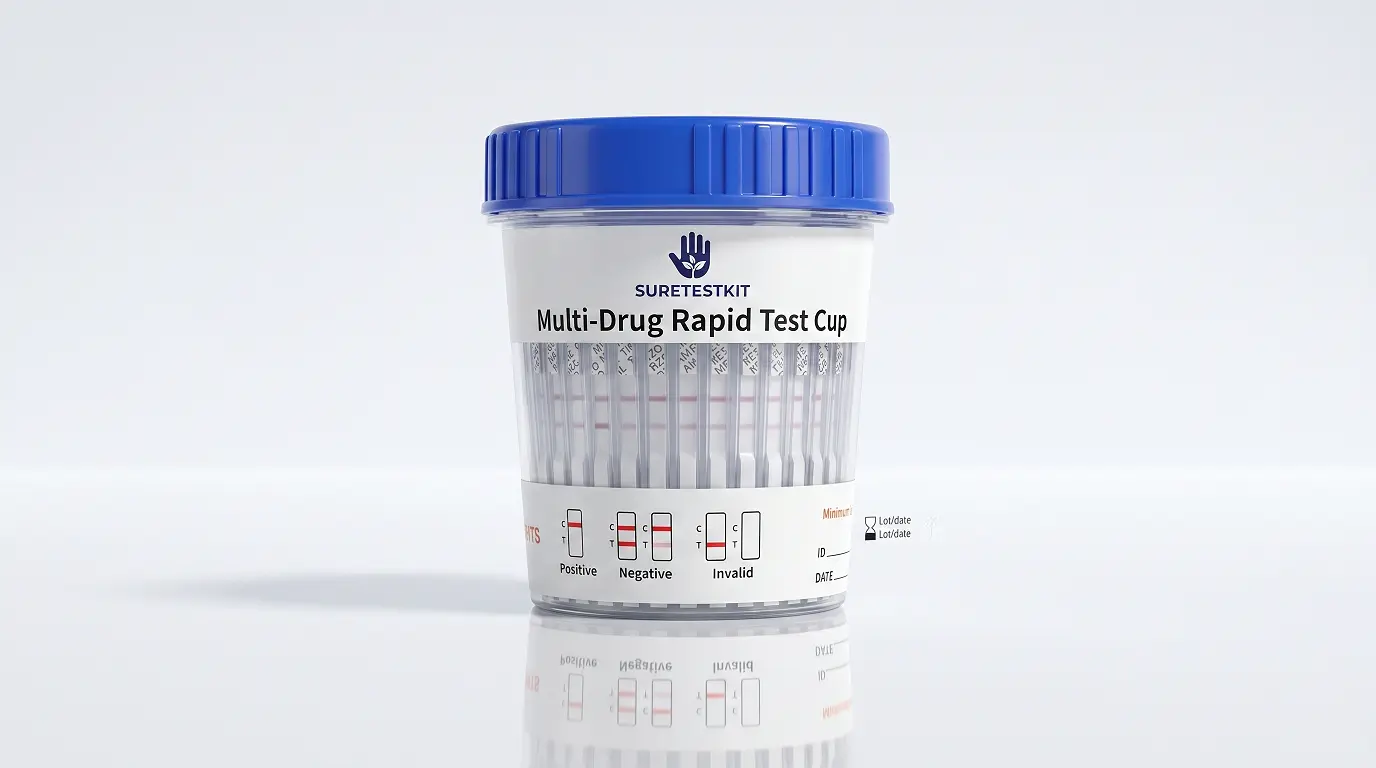
The 18 Panel Drugs Test Cup is a convenient, all-in-one screening solution designed for fast and cle...
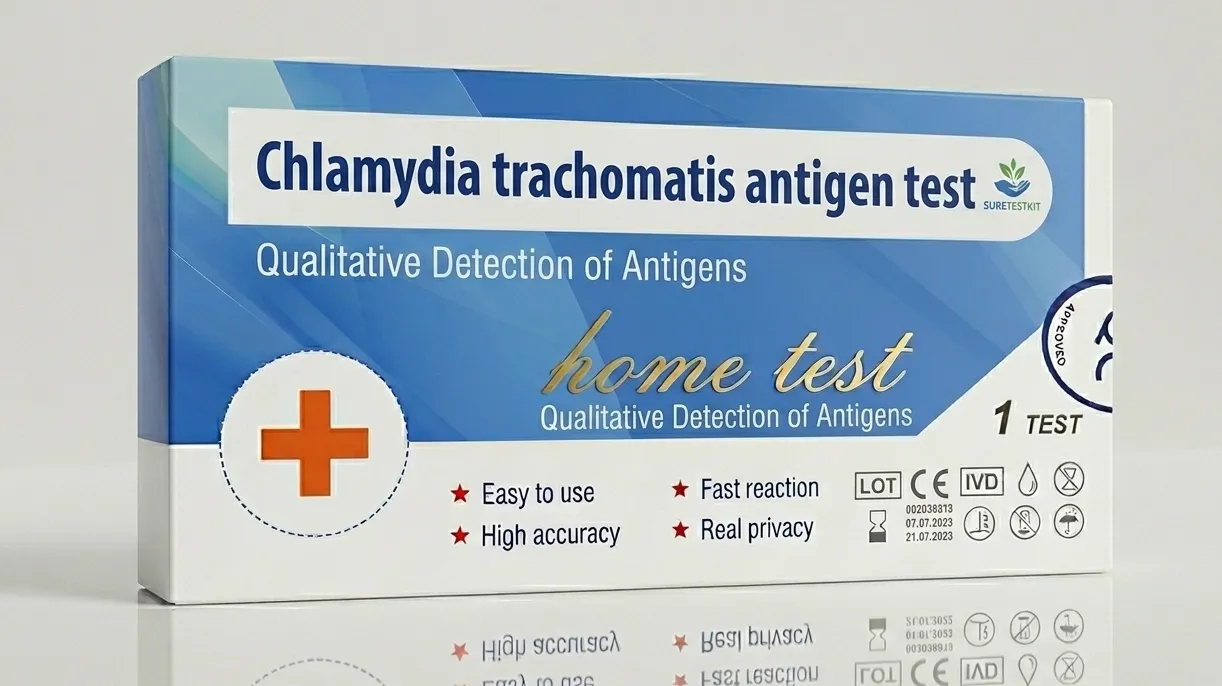
The Chlamydia Test Kit is designed to support fast and discreet screening for chlamydia through a si...
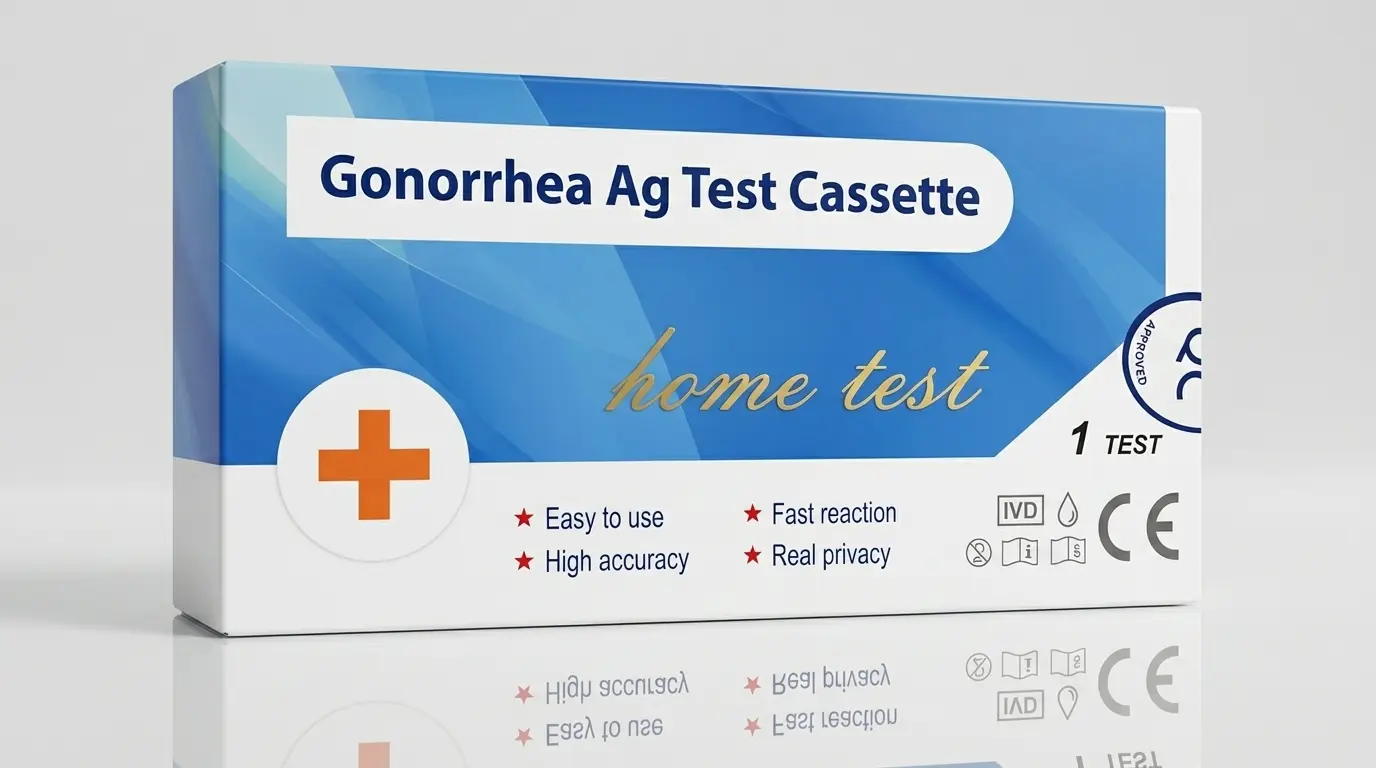
The Gonorrhea Test Kit is designed for convenient and discreet screening of gonorrhea using a straig...
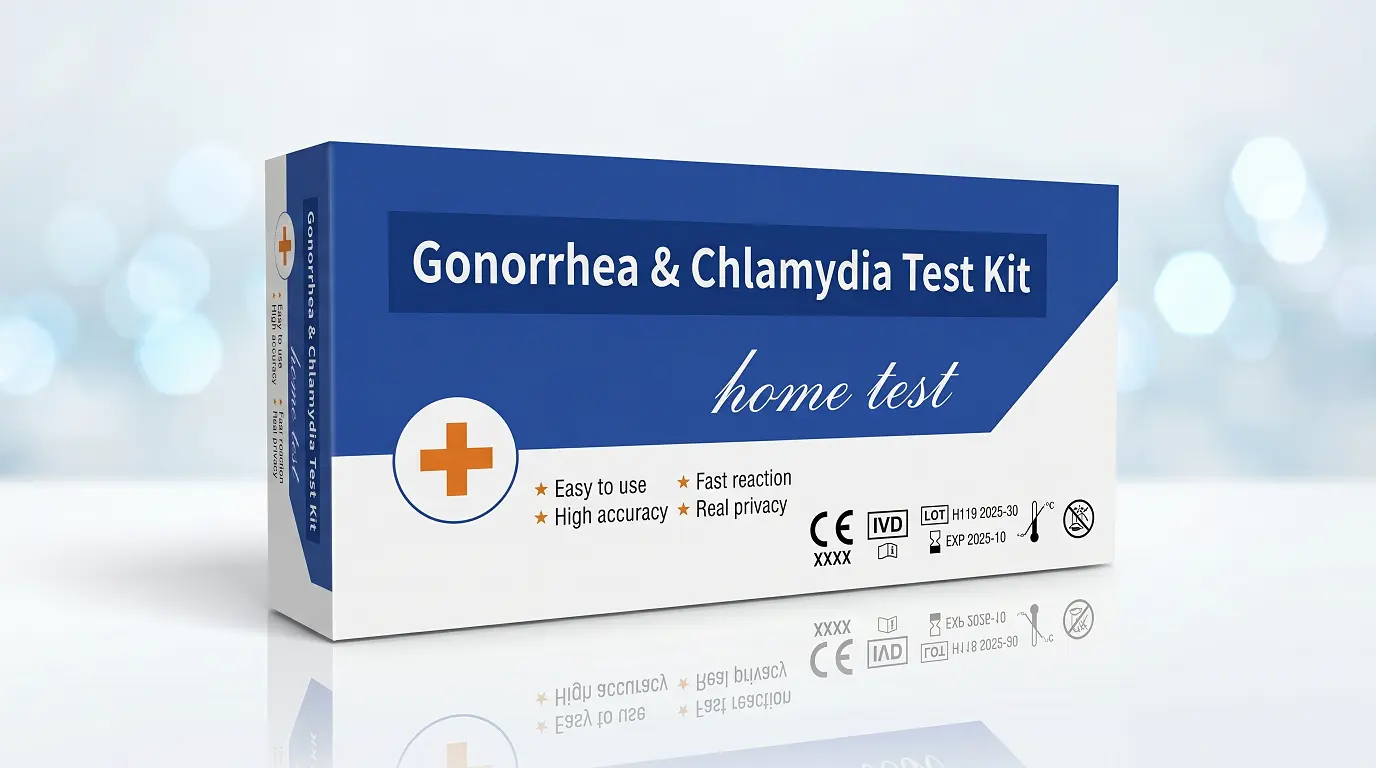
The Gonorrhea & Chlamydia Test Kit is designed for convenient and discreet screening of two ...
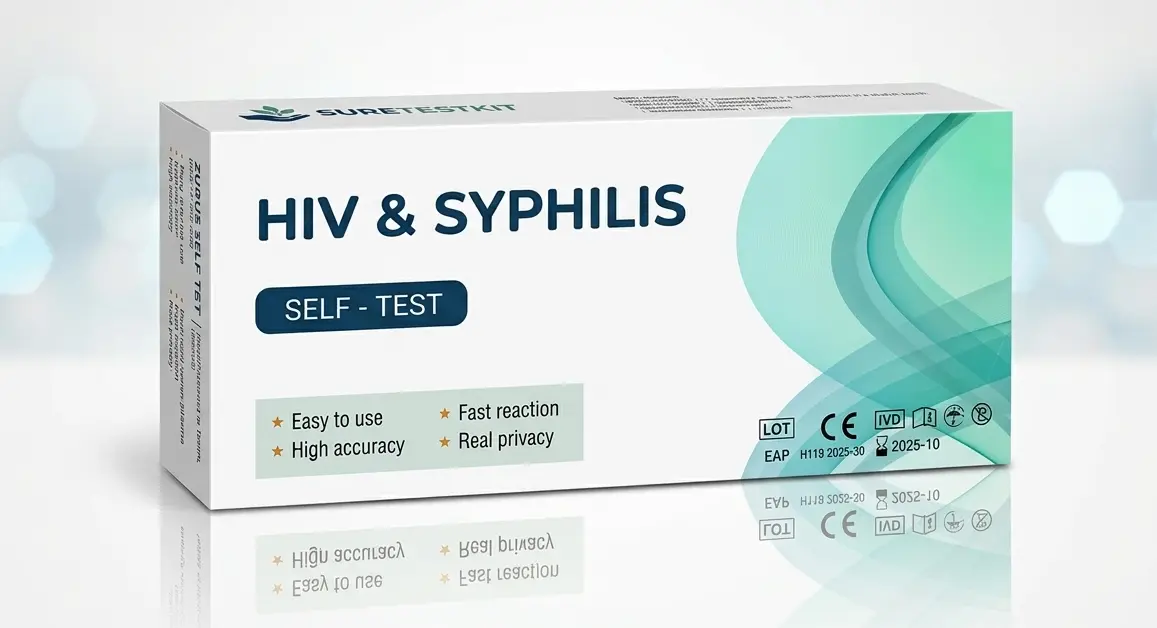
The HIV & Syphilis Test Kit is designed for quick and simple dual screening using the kits. ...
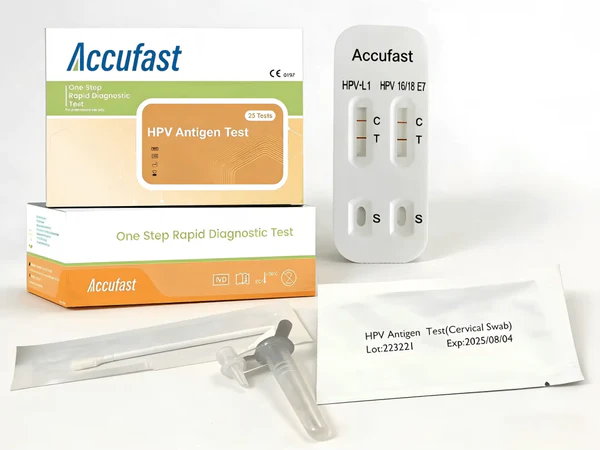
Why Choose the Dual-Detection HPV Kit? Not all HPV tests are equal. Our advanced cassette uses Dual ...
Take Absolute Control of Your Sexual Health with Clinical PrecisionIn a world where health and priva...
The Most Advanced At-Home Diagnostic Panel in the UAEWhen it comes to your sexual health, partial an...
Your health and privacy are our top priorities.
All conversations and orders are strictly confidential and delivered in discreet packaging.
We believe your health is your most personal asset. SureTestKit provides a bridge between professional clinical accuracy and the absolute comfort of your own home, ensuring you never have to compromise between knowing your status and keeping your business private.
Our kits are globally recognized with **FDA and CE certifications**. Every panel is rigorously tested to provide laboratory-grade results for HIV, Syphilis, Herpes, and Hepatitis, matching the accuracy levels of traditional clinic visits.
We guarantee **100% anonymity**. Your order arrives in a plain courier bag with no mention of "SureTestKit," "HIV," or "Test Kit" on the outer label. Your privacy is protected from the moment you click "order" to the final delivery.
No needles, no complex lab work, and no waiting weeks for results. Our kits are designed for home use with easy-to-follow instructions. Get clear, visual results in as little as **15 minutes** with a simple finger-prick sample.
Operating directly from our UAE hubs, we offer **Same-Day or Next-Day delivery**. Whether you are in a Dubai apartment or a villa in Fujairah, our specialized logistics team ensures your package reaches you safely and swiftly.
Buy confidential HIV and STD self test kits online with same-day delivery in Dubai and Sharjah, plus next-day delivery across Abu Dhabi, Ajman, Ras Al Khaimah, Fujairah, Umm Al Quwain and all UAE emirates. Every order is packed discreetly for complete customer privacy.
Same Day Delivery
Next Day Delivery
Confidential Service
SureTestKit provides confidential HIV test kits, STD self test kits, rapid screening kits, gonorrhea test kits, chlamydia test kits, hepatitis screening kits and private at-home test kits across Dubai, Abu Dhabi, Sharjah, Ajman, Fujairah, Ras Al Khaimah and Umm Al Quwain with fast UAE-wide delivery service.
Read Full Shipping PolicyMost infections are asymptomatic in their early stages, meaning you can feel perfectly healthy while being a carrier. Early detection through discreet, professional testing is the gold standard for your long-term health and complete peace of mind.
Early HIV symptoms, known as Acute Retroviral Syndrome, typically appear 2-4 weeks after exposure. Look for **persistent high fever, night sweats, and significant swelling of the lymph nodes** in the neck or armpits. Other signs include a non-itchy red rash on the torso, unexplained mouth ulcers, and severe fatigue that mimics a heavy flu.
Systemic red flags include **unusual genital discharge (changes in color, consistency, or odor)** and dysuria (burning/stinging during urination). Be vigilant for pelvic pain, discomfort during intimacy, or the appearance of localized skin changes like small bumps or redness. Many infections remain silent for months while causing internal inflammation.
Outbreaks often begin with a "prodromal" phase: **tingling, itching, or a burning sensation** in the affected area. This is followed by the appearance of small, fluid-filled blisters that can be very painful. During initial outbreaks, you may also experience shooting neuralgic pain in the lower body, headaches, and general body aches.
Known as the "silent" infection because up to 75% of cases show zero symptoms. When they do occur, symptoms include **unexplained bleeding between periods, lower abdominal discomfort, or pain in the testicles**. If left untreated, the bacteria can lead to Pelvic Inflammatory Disease (PID) and long-term fertility complications.
Symptoms usually manifest rapidly within 2–7 days. Key indicators include a **thick, purulent discharge (yellow, green, or cloudy)** and acute sharp pain during urination. It can also cause severe throat infections if transmitted orally, or localized swelling and redness at the urethra opening. Early screening prevents the spread to other organs.
Syphilis progresses in distinct stages. The primary stage is a **chancre (a firm, round, painless sore)** at the infection site. The secondary stage features a non-itchy rash on the trunk, palms, or soles of the feet, alongside patchy hair loss and fever. Without detection, it enters a latent stage that can eventually damage the heart and brain.
Find answers about HIV and STD self test kits, confidential delivery, test accuracy, same-day shipping in Dubai and Sharjah, and private at-home screening across the UAE.
Expert-led sexual health education and HIV awareness tailored for the UAE community.
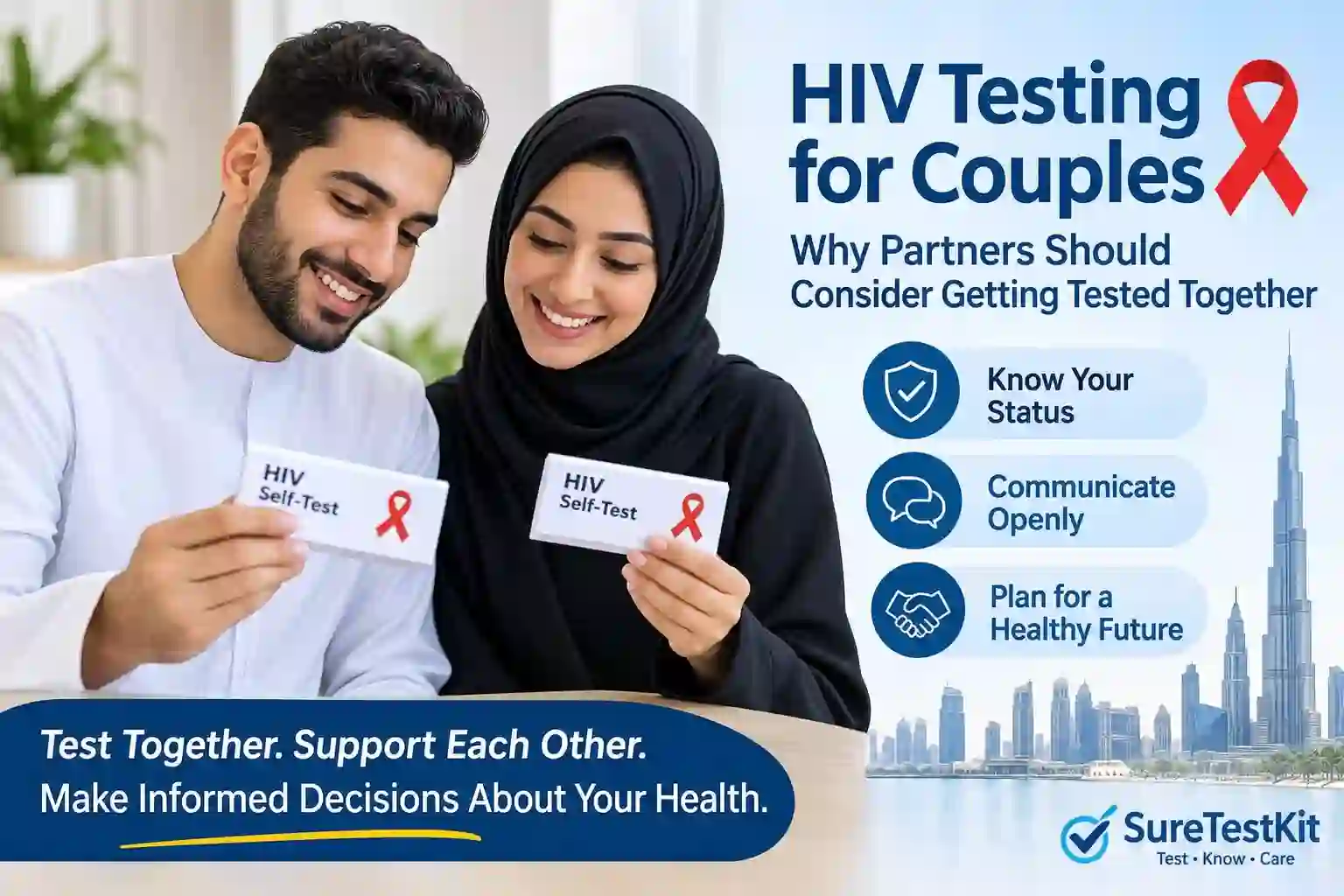
A Practical HIV Screening Guide for Couples in Dubai, Sharjah, Abu Dhabi and Across the UAEStarting a new relationship, planning a future together or simply wanting to take better care of your health? HIV testing can be an important part of looking after yourself and your partner.Many people assume that HIV testing is only necessary when someone has symptoms or knows they have experienced a possible exposure. In reality, HIV can be present without noticeable symptoms, and the only way to know a person's HIV status is through appropriate testing.For couples, getting tested can create an opportunity to discuss sexual health, understand individual results and make informed decisions about prevention. Testing together is one option, but each partner should always be free to choose how and when to test.This guide explains why couples may consider HIV screening, what to know before testing, how to understand results and where home testing may fit into a personal screening plan in the UAE.1. Why Should Couples Consider HIV Testing?HIV testing is not an indication of mistrust, infidelity or wrongdoing. It is a routine health decision that can help people understand their status.The US Centers for Disease Control and Prevention (CDC) recommends that everyone aged 13–64 get tested for HIV at least once as part of routine healthcare, with more frequent testing for people with certain risk factors. It also advises people considering a new sexual relationship to discuss their status and consider testing together.There are several reasons couples may find testing useful:Knowing your own status: A test gives each person information about their individual HIV status.Making informed decisions: Results can help partners discuss prevention and future healthcare choices.Planning a family: People planning pregnancy can discuss HIV screening and appropriate medical care with a healthcare professional.Reducing uncertainty: Testing can help replace assumptions with reliable information.Encouraging open communication: A respectful conversation about sexual health can support a healthier relationship.Importantly, one partner's result does not establish the other partner's status. Both people need their own appropriate test.2. When Should Partners Get Tested?There is no single testing schedule that is right for every couple. The timing depends on previous testing, possible exposures, individual risk factors and the type of test being used.Couples may consider discussing HIV testing:Before starting a new sexual relationship.When either partner has never been tested.When either person has had a possible HIV exposure since their last test.When either partner has had other sexual partners since their previous screening.When a healthcare professional recommends testing based on individual circumstances.When planning pregnancy or discussing reproductive health.People with ongoing risk factors may need regular testing rather than a one-time test. The CDC recommends at least annual testing for certain groups and notes that some sexually active people may benefit from testing every three to six months, depending on their circumstances.A healthcare professional can help determine an appropriate schedule.3. Can Couples Take an HIV Test Together at Home?Yes. Depending on the specific test, partners may choose to use separate home HIV self-test kits in the same setting.For example, two partners might decide to:Read the instructions for their respective test kits.Check that each kit is within its expiry date and that the packaging is intact.Collect their own samples according to the manufacturer's instructions.Perform each test separately and follow the stated timing.Read and interpret each result using the kit's instructions.Seek professional advice if either result is reactive, invalid or difficult to interpret.A home self-test can offer a private way to screen, but it is important to understand its limitations. Not every HIV test uses the same sample type or detects infection at the same stage.Never assume that one test kit can be shared between two people. Each person should use an individual test device and all supplied single-use materials as directed.If either partner prefers to test privately or separately, that choice should be respected. Testing together is an option, not a requirement.4. Understanding the HIV Test Window PeriodOne of the most important things couples should understand is the HIV window period.The window period is the time between a possible HIV exposure and the point when a particular test can reliably detect infection. A test taken too early may produce a negative result even if infection has occurred.According to the CDC, typical detection windows are:HIV test typeTypical detection windowNucleic acid test (NAT)10–33 daysLaboratory antigen/antibody test using venous blood18–45 daysRapid antigen/antibody test using finger-prick blood18–90 daysAntibody test23–90 daysThese ranges are general guidance, not a guarantee for every individual or product. Many HIV self-tests are antibody tests, but you should check the exact test type and instructions supplied with your kit.If a person receives a negative result during the window period, they may need another test after the applicable window period.If either partner has had a recent possible exposure, they should not rely on an early negative self-test to rule out HIV.Important: If a possible significant HIV exposure occurred within the past 72 hours, seek urgent medical assessment for post-exposure prophylaxis (PEP). Do not wait for a home test result before seeking care.5. What If One Partner Tests Reactive?A reactive result on an HIV self-test does not by itself establish a confirmed HIV diagnosis.It means that the screening test has detected a signal that requires follow-up. The person should contact a qualified healthcare provider or appropriate testing service for confirmatory testing and guidance.If one partner receives a reactive result:Stay calm and avoid jumping to conclusions.Arrange professional follow-up testing promptly.Follow the healthcare professional's advice about prevention while the result is being clarified.Avoid blaming, pressuring or stigmatizing either partner.Discuss next steps with appropriate medical support.If HIV is confirmed, effective antiretroviral treatment (ART) can help people living with HIV maintain their health. With sustained viral suppression below 200 copies/mL, a person living with HIV does not sexually transmit HIV. This is known as U=U (Undetectable = Untransmittable).A reactive screening result should therefore lead to medical follow-up, not assumptions about when or how infection may have occurred.6. What If Both Partners Test Negative?Two negative results can be reassuring when both tests have been performed at the appropriate time and interpreted correctly.However, consider the following:Were both tests taken after the relevant window period?Has either person had a possible exposure since testing?Is either partner using PrEP or has either recently taken PEP?Does either person have ongoing risk factors that require repeat testing?A negative result reflects the status detected by that person's test at that time. It does not guarantee that the person will remain HIV-negative after a future exposure.For couples who want to reduce future risk, a healthcare professional can discuss prevention options such as condoms, PrEP where appropriate and regular screening.7. Is Home HIV Testing a Good Option for Couples in the UAE?Home HIV self-testing may be suitable for adults who want to screen in a familiar setting and are comfortable following the test instructions.For couples in Dubai, Sharjah, Abu Dhabi and other UAE emirates, the main considerations should be the test's specifications, sample requirements, instructions and follow-up pathway.Before choosing a kit, check:Test type: Is it an antibody test or an antigen/antibody test?Sample type: Does it use finger-prick blood, oral fluid or another sample?Window period: When can the test detect infection after exposure?Instructions: Are the steps and result interpretation clearly explained?Expiry and packaging: Is the kit sealed, intact and within its expiry date?Follow-up: Do you know where to seek professional testing if the result is reactive or uncertain?Explore the available options on the SureTestKit HIV test kit page. You can also review the HIV 4th Generation Test Kit and HIV 1/2 Antibody Test Kit.Always read the product-specific information before purchasing. Do not assume that every product has the same detection window or testing capability.8. How to Talk to Your Partner About HIV TestingStarting a conversation about HIV screening can feel uncomfortable, especially if neither person has discussed sexual health before.Try approaching the subject as a shared health decision rather than an accusation.You might say:"I think we should both know our HIV status.""Would you feel comfortable discussing sexual health and screening together?""I would like us to make informed decisions about our health.""We can each choose the testing option that feels comfortable."Remember that testing should always be voluntary. Neither partner should be threatened, pressured or forced to take a test or disclose a result.If discussing testing together could create conflict or put someone at risk, individual testing and confidential professional support may be safer options.9. HIV Testing Is Only One Part of Sexual HealthHIV screening is important, but it does not check for every sexually transmitted infection.Depending on individual circumstances, couples may also want to discuss screening for:SyphilisChlamydiaGonorrhoeaHepatitis BHepatitis CDifferent infections require different tests, samples and screening schedules. A healthcare professional can help identify which tests are appropriate.You can also explore the SureTestKit range of screening kits to review available options.Final Thoughts: Make HIV Testing Part of a Healthy RelationshipHIV testing can help couples make informed decisions about their health and future. Whether partners choose to test together, separately or through a healthcare provider, the important points are informed consent, appropriate timing and accurate interpretation.A negative result should be considered in relation to the test's window period and any subsequent exposures. A reactive self-test requires professional follow-up, while a recent possible exposure within 72 hours needs urgent medical assessment for PEP.If you and your partner are considering HIV screening, learn about the available testing options and choose an approach that is medically appropriate and comfortable for both of you.Your health is worth an honest conversation and an informed decision.Medical note: This article provides general educational information and is not a substitute for individual medical advice, diagnosis or treatment. HIV self-tests are screening tools. Follow the specific product instructions and seek professional follow-up for reactive, invalid or uncertain results. Frequently Asked Questions1. Should couples get tested for HIV before starting a relationship?Couples may consider testing before starting a sexual relationship so both partners understand their individual status. Testing should be voluntary and accompanied by an honest discussion about sexual health.2. Can two people use one HIV test kit?No. Each person should use a separate test device and their own single-use materials, following the manufacturer's instructions.3. If my HIV test is negative, does that mean my partner is also negative?No. Each person's result applies only to that individual. Both partners need their own appropriate tests.4. Can couples use HIV self-test kits at home?Depending on the product, adults may use individual HIV self-test kits at home. They must follow the supplied instructions and understand the window period and limitations of the test.5. What happens if one partner gets a reactive HIV self-test result?A reactive self-test requires follow-up testing through a qualified healthcare provider. It should not be treated as a confirmed diagnosis on its own.6. How soon after exposure should couples get tested?The appropriate timing depends on the test type. Antibody tests may have a window period of 23–90 days, while laboratory antigen/antibody tests using venous blood may detect infection within 18–45 days. Follow the test-specific guidance and seek clinical advice.7. Does HIV testing protect couples from all STIs?No. An HIV test only screens for HIV. Other infections, such as syphilis, chlamydia and gonorrhoea, require their own appropriate tests.8. Where can I explore HIV self-test kits in the UAE?You can review available options at SureTestKit. Check each product's specifications and instructions before choosing a test.
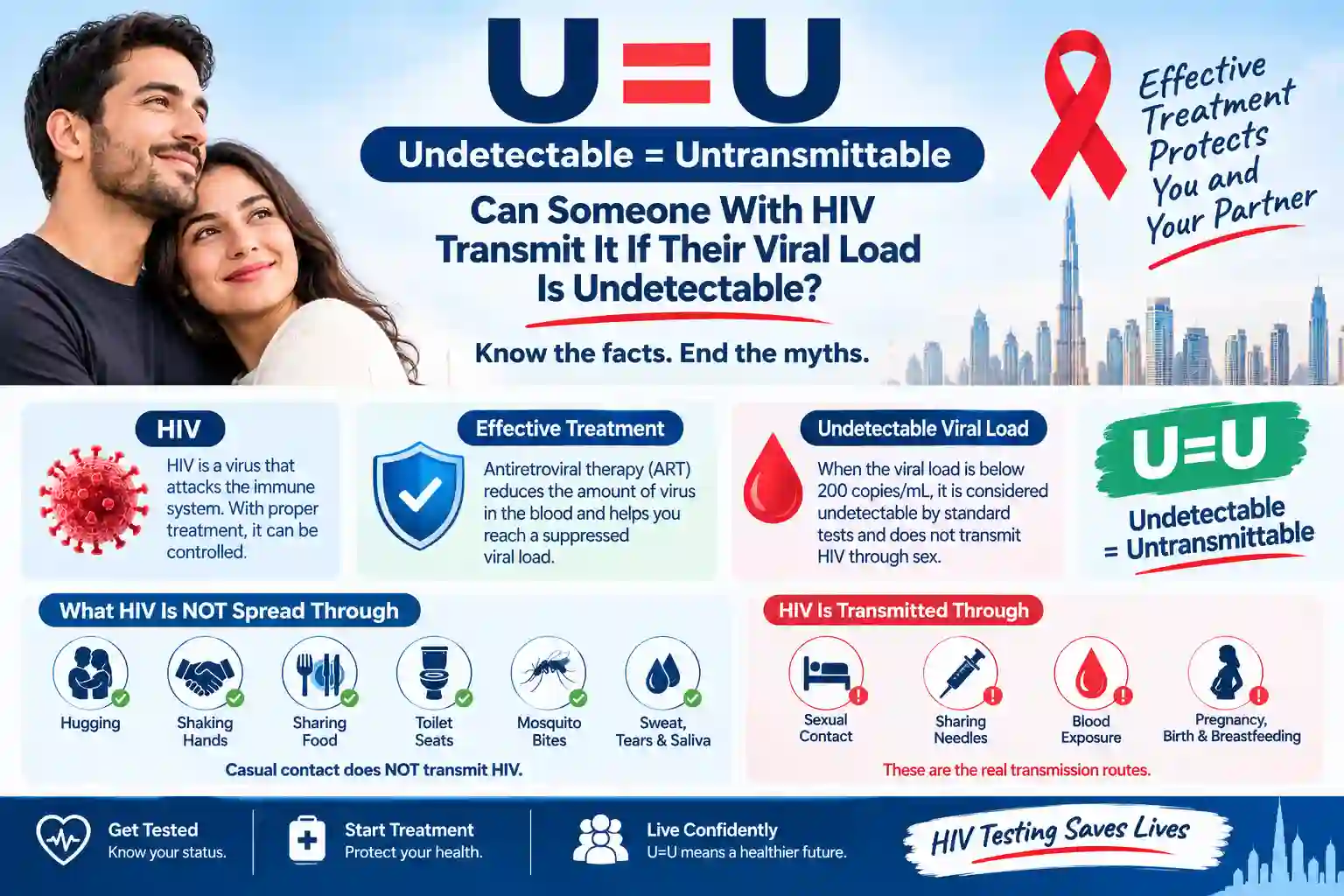
One of the most important advances in HIV treatment is the scientific principle known as U=U, which stands for Undetectable = Untransmittable.But what does it actually mean? Can a person living with HIV have a relationship, get married, and have sex without transmitting HIV to their partner?The answer is yes, when the person is taking effective HIV treatment and has achieved and maintained the required viral suppression.For people in Dubai, Abu Dhabi, Sharjah, and across the UAE, understanding U=U can help replace outdated fears with accurate medical information. This guide explains how an undetectable viral load works, what treatment involves, and what U=U does and does not mean.1. What does U=U mean?U=U means Undetectable = Untransmittable.It describes the fact that a person living with HIV who takes antiretroviral therapy (ART) and maintains a suppressed viral load below 200 copies/mL does not sexually transmit HIV to their partners.HIV treatment reduces the amount of virus in the blood. When treatment works effectively, the viral load can become so low that standard laboratory viral load tests cannot detect it.This does not mean HIV has disappeared from the body. It means the amount of virus is controlled to a level at which sexual transmission does not occur.The CDC, WHO, and other leading health authorities recognise the evidence supporting U=U.2. What is an undetectable HIV viral load?A viral load test measures the amount of HIV RNA in a person's blood. The result is generally reported as copies of HIV per millilitre of blood.A healthcare professional may describe a viral load as:High or detectable: The test measures a higher amount of HIV in the blood.Suppressed: Treatment has reduced the viral load substantially.Undetectable: The amount of HIV is below the detection limit of the particular laboratory test.For U=U, the key clinical threshold used in major treatment guidance is a viral load below 200 copies/mL.Different laboratories use different assays, so the exact numerical meaning of “undetectable” can vary. A clinician interprets the result using the test's reporting range and the person's treatment history.3. How does HIV treatment make the viral load undetectable?HIV is treated using antiretroviral therapy, commonly called ART.ART uses medicines that stop HIV from reproducing efficiently. When taken consistently as prescribed, treatment can reduce the amount of virus in the body and protect the immune system.A typical treatment journey involves:HIV diagnosis: Appropriate testing confirms the diagnosis.Starting treatment: A healthcare professional selects an appropriate ART regimen.Monitoring: Blood tests measure viral load and assess treatment response.Viral suppression: The amount of HIV decreases as treatment works.Maintaining suppression: Continued treatment and regular monitoring help keep the viral load suppressed.Many people taking effective treatment reach an undetectable viral load within approximately six months, although the timing varies.ART is not a cure for HIV. Treatment must continue as prescribed, and medical follow-up remains important.4. Can someone with an undetectable viral load transmit HIV through sex?No. A person who maintains a viral load below 200 copies/mL through effective HIV treatment does not sexually transmit HIV.This applies to sexual transmission through vaginal and anal sex. The U=U evidence is supported by large studies involving couples where one partner was living with HIV and the other was HIV-negative.This is an important message for couples:A person living with HIV can have a healthy relationship.An HIV-negative partner does not acquire HIV through sex when U=U conditions are maintained.HIV treatment benefits both the health of the person taking it and sexual HIV prevention.HIV status does not prevent someone from building a loving relationship or planning a future.U=U is based on sustained viral suppression, not simply having taken HIV medication once or receiving a single undetectable result.5. Does undetectable mean HIV is completely cured?No. An undetectable viral load does not mean HIV has been eliminated from the body.HIV can remain in certain cells and tissues even when the amount of virus in the blood is too low to be detected by standard tests.This is why people living with HIV need to continue their treatment even when their viral load is undetectable.Stopping medication without medical advice can allow the virus to increase again.The distinction is important:Undetectable HIVHIV cureViral load is below the test's detection limit or within the relevant suppression thresholdHIV has been eliminated or permanently controlled without ongoing treatmentAchieved through effective ARTNot currently available as routine treatmentRequires continued medication and monitoringWould mean no ongoing HIV treatment is neededPrevents sexual HIV transmission when suppression is maintainedA different medical outcome6. What happens if someone stops taking HIV medication?Consistent treatment is essential for maintaining viral suppression.If someone stops taking ART or regularly misses doses, the viral load may increase. This is sometimes called viral rebound.If the viral load rises to 200 copies/mL or above, the person should not assume that U=U protection still applies. Their healthcare professional can assess the result, review treatment, and advise on additional prevention measures until suppression is confirmed again.People experiencing difficulties with medication should speak with their HIV care team rather than stopping treatment independently.7. Does U=U prevent other sexually transmitted infections?No. U=U specifically relates to the sexual transmission of HIV.It does not prevent other sexually transmitted infections, including:SyphilisGonorrhoeaChlamydiaHerpesHuman papillomavirus (HPV)Hepatitis BCondoms, appropriate vaccination, STI screening, and professional sexual-health advice can help reduce other risks.If you have symptoms or a possible STI exposure, speak with a healthcare professional about appropriate testing.8. Does U=U apply to pregnancy and breastfeeding?HIV treatment greatly reduces the risk of transmission from a pregnant person to their baby. However, pregnancy, childbirth, and breastfeeding require specific medical guidance and monitoring.The sexual-transmission evidence behind U=U should not be used as a substitute for specialist advice about transmission during pregnancy, delivery, or breastfeeding.People living with HIV who are planning a pregnancy or are already pregnant should consult an HIV specialist and maternity-care team. Effective treatment and appropriate care can make it possible to have a healthy pregnancy while substantially reducing the risk of transmission to the baby.9. Can an HIV home test show whether someone is undetectable?No. A standard HIV self-test cannot determine whether a person living with HIV has an undetectable viral load.There are two different types of testing:HIV screening tests: These detect markers of HIV infection, such as antibodies or antigen and antibodies. They are used to screen for HIV.HIV viral load tests: These measure the amount of HIV RNA in the blood. They are used by healthcare professionals to monitor treatment response and viral suppression.If someone has HIV and wants to know whether they have reached an undetectable viral load, they need the appropriate laboratory viral load test through their healthcare provider.If you are looking for an initial HIV screening option, explore the SureTestKit HIV test kit collection.You can also review:HIV 4th Generation Test KitHIV 1/2 Antibody Test KitAlways check the individual product's intended use, sample type, and detection window. A screening kit is not a substitute for a laboratory viral load test or confirmatory diagnosis.10. What if you are worried about a recent HIV exposure?U=U is reassuring when a partner's sustained viral suppression is established and maintained.However, if you do not know a partner's current viral load status, or you are concerned about another possible exposure, seek appropriate medical advice.If a possible exposure occurred within the last 72 hours, seek urgent medical assessment to determine whether post-exposure prophylaxis (PEP) is appropriate. PEP should be started as soon as possible when indicated.Do not delay medical care while waiting for a home test result.Frequently Asked QuestionsCan someone with an undetectable viral load transmit HIV through unprotected sex?When a person maintains a viral load below 200 copies/mL through effective treatment, they do not sexually transmit HIV. This is the principle of U=U.How long does it take to become undetectable after starting HIV treatment?Many people reach an undetectable viral load within approximately six months, but the timeline varies. Regular viral load testing confirms the response to treatment.Does an undetectable viral load mean HIV is gone?No. HIV remains in the body, but treatment controls it. ART must continue as prescribed.Can an HIV self-test confirm an undetectable viral load?No. An HIV self-test screens for HIV infection. A laboratory viral load test is needed to measure the amount of HIV in the blood.Does U=U protect against syphilis or gonorrhoea?No. U=U prevents sexual HIV transmission when viral suppression is maintained. It does not prevent other STIs.Can someone living with HIV get married and have children?Yes. People living with HIV can have relationships and plan families. Effective treatment and specialist medical care can help protect partners and reduce the risk of transmission to a baby.ConclusionU=U is one of the most significant developments in modern HIV care. It means that a person living with HIV who maintains a viral load below 200 copies/mL through effective treatment does not sexually transmit HIV.This scientific evidence helps people make informed decisions, build relationships, and challenge the stigma that still surrounds HIV.Remember that undetectable does not mean cured. Continuing treatment and regular viral load monitoring are essential.If you are in Dubai, Abu Dhabi, Sharjah, or anywhere across the UAE, understanding HIV testing and screening can help you make informed decisions about your health.Know the facts. Understand your status. Support informed HIV awareness.Explore HIV screening options at SureTestKit UAE.This article is for educational purposes only. It does not replace professional medical advice, diagnosis, or treatment.
Read More
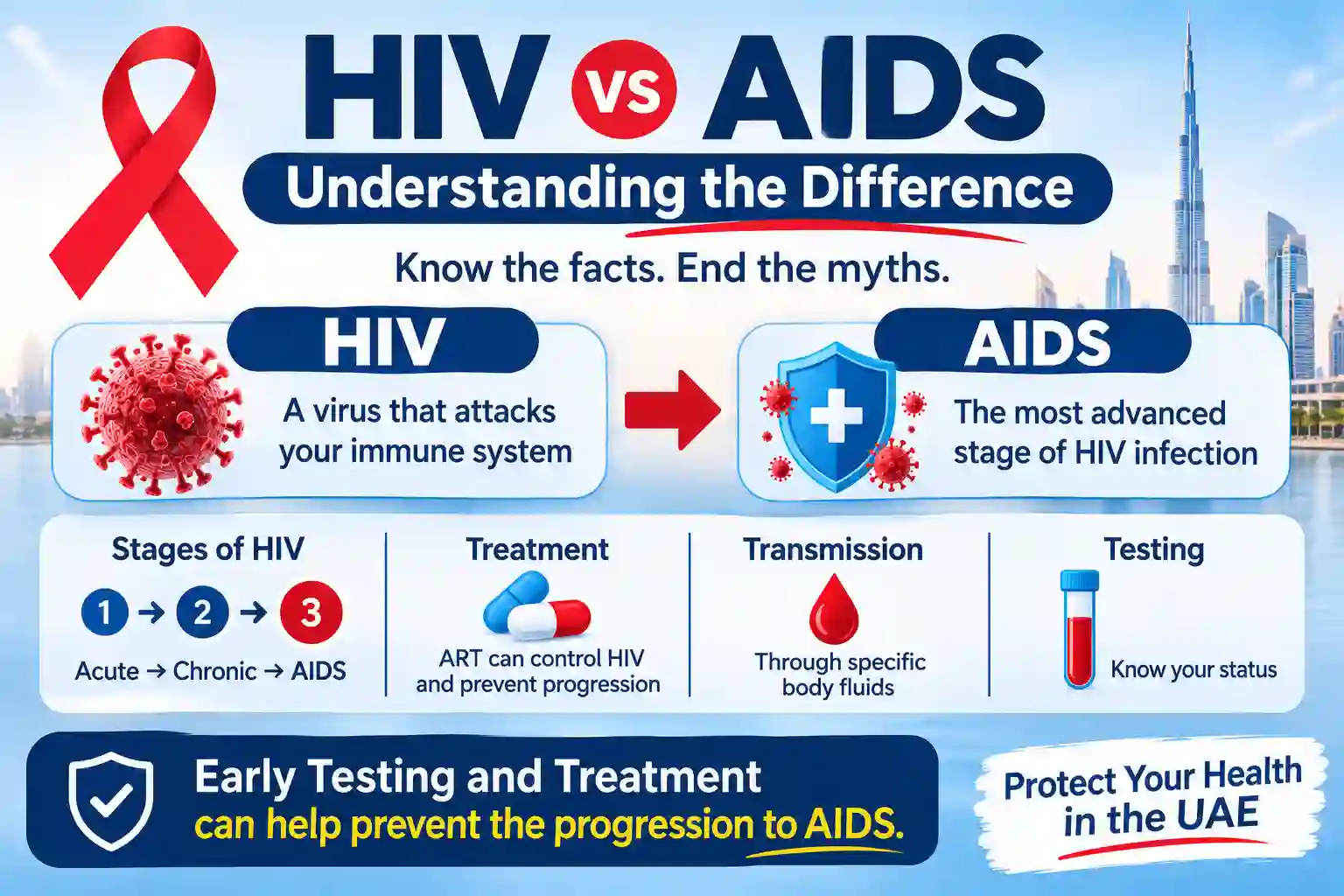
Many people use the terms HIV and AIDS interchangeably, but they are not the same thing. Understanding the difference between HIV and AIDS is important because an HIV diagnosis today is not the same as it was decades ago.With advances in medical treatment, people living with HIV can manage the infection, protect their immune system, and live long, healthy lives. Many people receiving effective treatment never develop AIDS.If you are searching for information about HIV in Dubai, Abu Dhabi, Sharjah, or anywhere in the UAE, this guide explains what HIV is, what AIDS means, how the infection progresses, and why early testing matters.1. What is HIV?HIV stands for Human Immunodeficiency Virus.It is a virus that attacks the immune system, particularly CD4 cells (also called CD4 T cells), which play an important role in helping the body fight infections.When HIV enters the body, it infects certain immune cells and uses them to reproduce. Over time, without treatment, HIV can damage the immune system and make it more difficult for the body to fight infections and certain illnesses.HIV does not necessarily cause noticeable symptoms immediately. Some people experience flu-like symptoms during the early stage, while others may feel completely normal.HIV is a manageable chronic condition with effective treatment. Antiretroviral therapy (ART) helps control the virus, protect the immune system, and prevent progression of the disease.2. What is AIDS?AIDS stands for Acquired Immunodeficiency Syndrome.It is the most advanced stage of HIV infection, when the immune system has become severely damaged.A person with HIV may develop AIDS if the infection remains untreated or is not adequately controlled and the immune system becomes severely weakened.AIDS may be diagnosed when a person with HIV has a CD4 count below 200 cells/mm³ or develops certain AIDS-defining illnesses, regardless of their CD4 count.These illnesses can include particular opportunistic infections and cancers that occur more frequently when the immune system is severely compromised.AIDS is not a separate virus. It is an advanced stage of HIV infection.3. HIV vs AIDS: What is the difference?HIVAIDSHIV is a virus.AIDS is the most advanced stage of HIV infection.It attacks the immune system.It occurs when immune damage becomes severe or certain defining illnesses develop.A person can have HIV without symptoms.A person may develop serious opportunistic infections or illnesses.HIV can be managed with antiretroviral treatment.Treatment is essential and can improve immune function and health.Early diagnosis and treatment can prevent progression.It is not inevitable for someone with HIV to develop AIDS.The key takeaway is that HIV does not automatically mean AIDS.With early diagnosis and effective treatment, progression to AIDS can often be prevented.4. What are the stages of HIV infection?HIV infection is generally described in three stages.Stage 1: Acute HIV infectionThis is the early stage of HIV infection, generally occurring within the first few weeks after acquiring the virus.Some people experience flu-like symptoms, such as:FeverHeadacheSore throatRashMuscle achesSwollen lymph nodesFatigueThese symptoms can also occur with many other illnesses. Some people with acute HIV experience no noticeable symptoms at all.During this stage, the virus can multiply rapidly.Stage 2: Chronic HIV infectionThis stage is also known as chronic HIV infection or clinical latency.HIV remains active in the body but may reproduce at lower levels than during acute infection. People can remain in this stage for years, especially if they receive effective treatment.Many people feel healthy and do not experience symptoms.Without treatment, HIV may continue damaging the immune system. With consistent treatment, people can often maintain their health and prevent the disease from progressing.Stage 3: AIDSAIDS is the most advanced stage of HIV infection.At this stage, immune damage can make the body vulnerable to serious infections and certain cancers.Possible conditions include:Severe or recurrent infectionsCertain types of pneumoniaTuberculosisSerious fungal infectionsSome AIDS-associated cancersAIDS requires professional medical care, and treatment can still be beneficial. Starting or continuing HIV treatment can help suppress the virus and allow the immune system to recover.5. Can HIV turn into AIDS?Yes, untreated HIV can progress to AIDS over time.However, this progression is not inevitable.Modern HIV treatment can suppress viral replication and protect immune cells. People who start and maintain effective treatment can prevent progression to AIDS.This is why early testing and access to treatment are so important.You do not need to wait for symptoms to appear before getting tested.6. Is HIV curable?Currently, there is no widely available cure for HIV.However, HIV can be effectively controlled with antiretroviral therapy (ART). Treatment reduces the amount of virus in the blood, often to an undetectable level.People living with HIV who take their medication consistently and maintain medical follow-up can live long and healthy lives.An undetectable viral load maintained through effective treatment also means HIV is not sexually transmitted — known as U=U (Undetectable = Untransmittable).This is an important scientific fact that helps reduce HIV stigma.7. How is HIV transmitted?HIV can be transmitted through certain body fluids when specific exposure conditions are present.Common transmission routes include:Anal or vaginal sex involving exposure to HIVSharing contaminated needles or injecting equipmentExposure to infected bloodTransmission from mother to child during pregnancy, childbirth, or breastfeedingHIV does not spread through:Hugging or shaking handsSharing food or utensilsUsing the same toiletSweat or tearsMosquito bitesCasual contact at work or homeUnderstanding the actual transmission routes helps prevent unnecessary fear and stigma.8. Why is HIV testing important?Testing is the only reliable way to know your HIV status.Some people may have HIV without symptoms for years. A person cannot determine their HIV status by appearance, physical health, or how they feel.Testing is particularly important if you have experienced a possible exposure or have never been tested and would benefit from routine screening.Different tests have different detection windows. Testing too early after exposure may produce a negative result that needs to be repeated.If you have had a possible exposure within the last 72 hours, seek urgent medical assessment to determine whether HIV post-exposure prophylaxis (PEP) is appropriate. PEP is time-sensitive and should be started as soon as possible when indicated.9. HIV testing options in the UAEPeople in Dubai, Abu Dhabi, Sharjah, and across the UAE can seek HIV testing through qualified healthcare providers and appropriate testing services.Home HIV self-tests may be an option for initial screening for some people. However, you should understand:What the test detectsWhether it is an antibody test or antigen/antibody testThe sample typeThe window periodHow to interpret resultsWhen repeat or confirmatory testing is requiredA reactive self-test result is not a confirmed diagnosis and must be followed by appropriate testing.You can explore screening options through SureTestKit HIV test kits.Related products:HIV 4th Generation Test KitHIV 1/2 Antibody Test KitAlways check individual product instructions and specifications before selecting a test.Frequently Asked QuestionsIs HIV the same as AIDS?No. HIV is the virus that attacks the immune system. AIDS is the most advanced stage of HIV infection.Can a person with HIV live a normal life?Yes. With effective treatment, regular medical care, and adherence to medication, many people living with HIV can live long and healthy lives.Does everyone with HIV develop AIDS?No. Effective treatment can prevent HIV from progressing to AIDS. Many people who receive and maintain treatment never develop AIDS.Can AIDS be treated?Yes. Medical treatment for HIV can suppress the virus, help the immune system recover, and treat or prevent opportunistic illnesses. Prompt medical care is important.Can you have HIV without symptoms?Yes. Many people may have no noticeable symptoms for a long period. Testing is necessary to know your status.How can I know whether I have HIV?Take an appropriate HIV test at the recommended time after possible exposure. If the test is reactive, follow up with a healthcare provider for confirmatory testing.ConclusionHIV and AIDS are related, but they are not the same.HIV is a virus that attacks the immune system. AIDS is the most advanced stage of HIV infection that may develop without effective treatment.Today, HIV is a manageable medical condition for many people. Early testing, appropriate treatment, and ongoing care can help prevent progression to AIDS and support a long, healthy life.If you are in Dubai, Abu Dhabi, Sharjah, or anywhere in the UAE and want to understand your HIV status, informed testing is a positive first step.Know your status. Understand the facts. Take control of your health.Explore HIV screening information at SureTestKit UAE.This article is for educational purposes only and does not replace professional medical advice or diagnosis.
Read MoreJoin our medical community for the latest UAE health regulations and testing guides. 100% Confidential. No Spam.
Your data privacy is our professional priority.
Trusted by thousands for privacy and accuracy